


2027 Budgets for the Ministry of Labor and Social Security and Its Affiliated Institutions were Approved by the Planning and Budget Committee of the Grand National Assembly of Türkiye (TBMM)
04 November 2026, Wednesday


2027 Budgets for the Ministry of Labor and Social Security and Its Affiliated Institutions were Approved by the Planning and Budget Committee of the Grand National Assembly of Türkiye (TBMM)
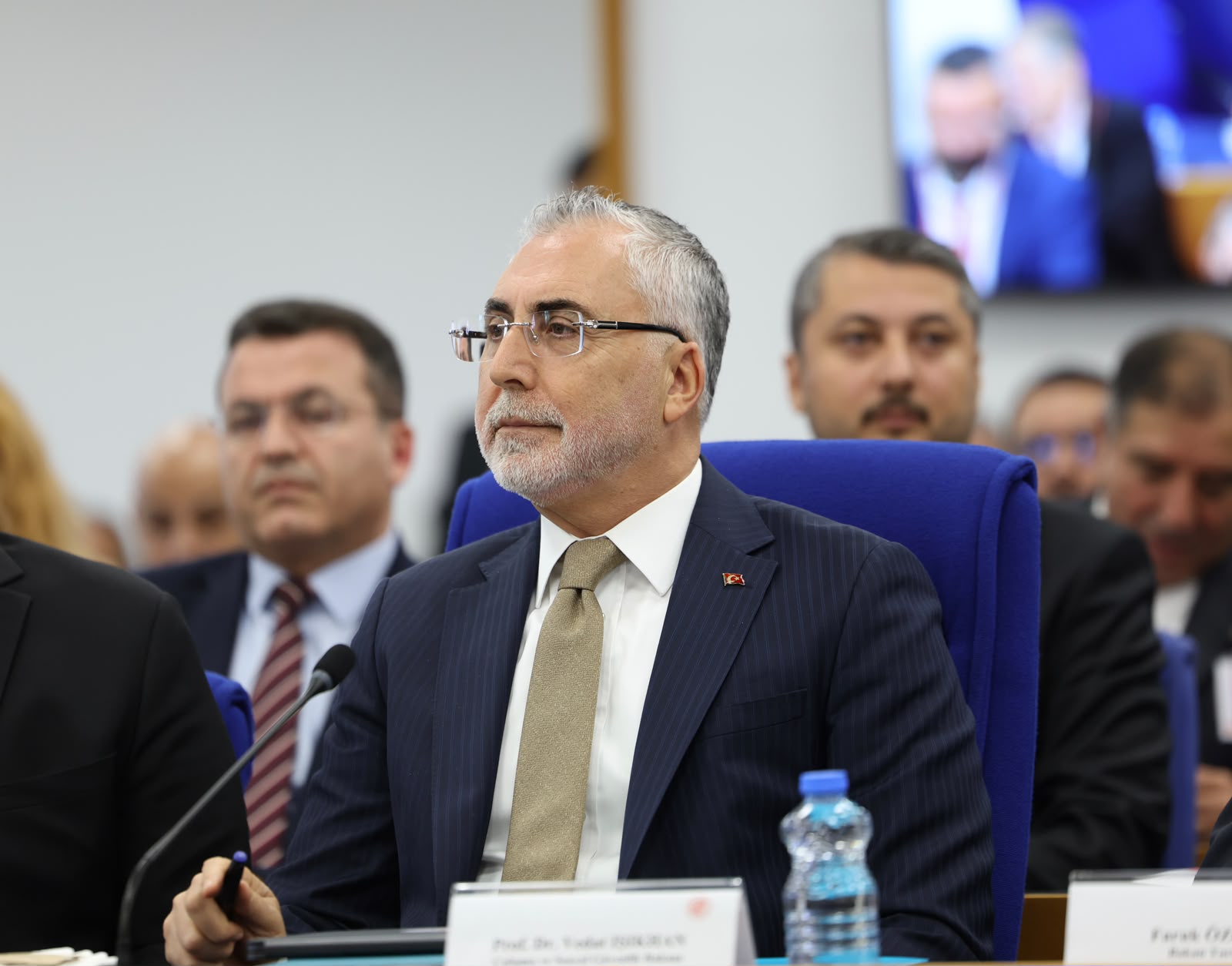
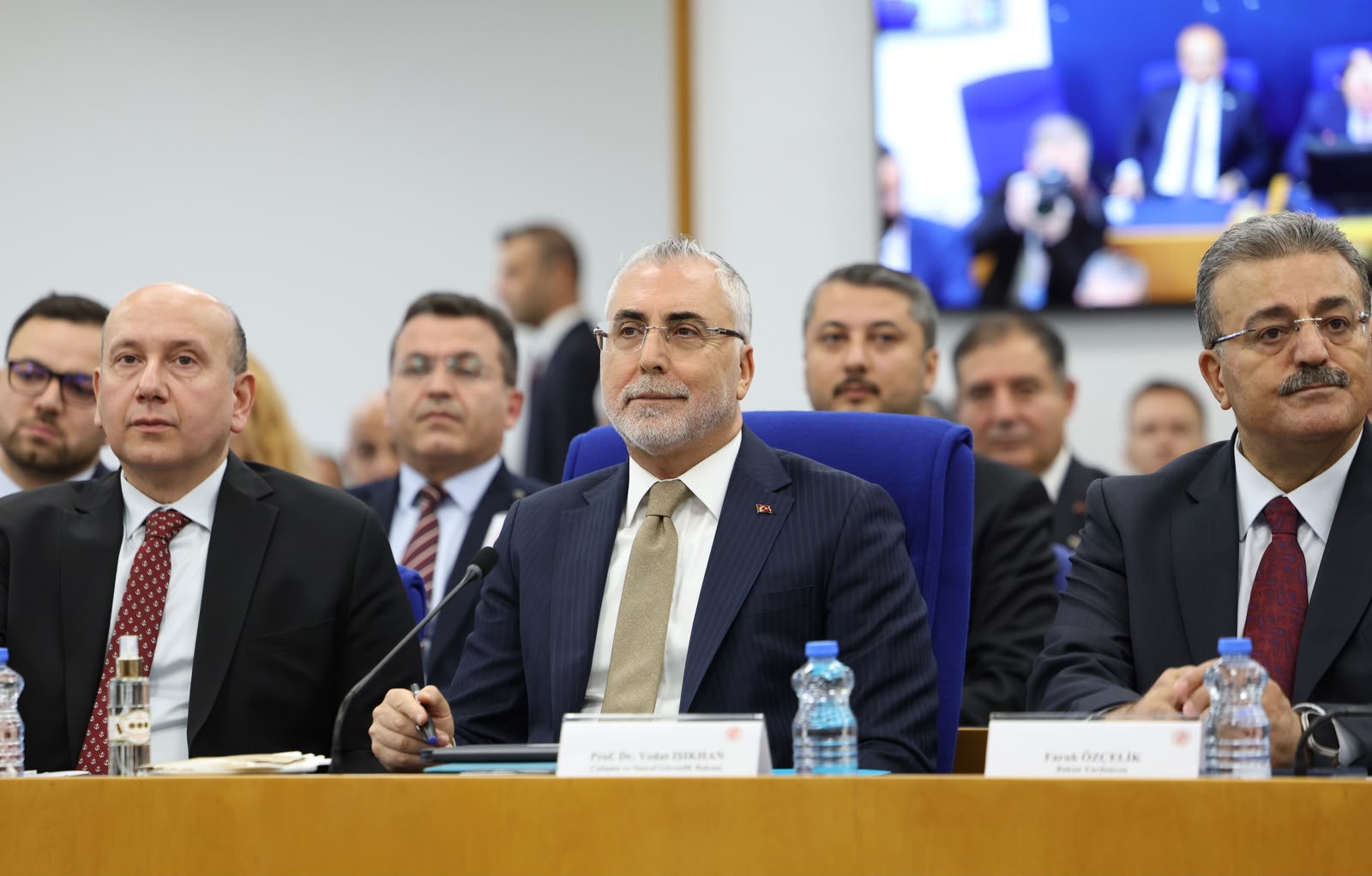
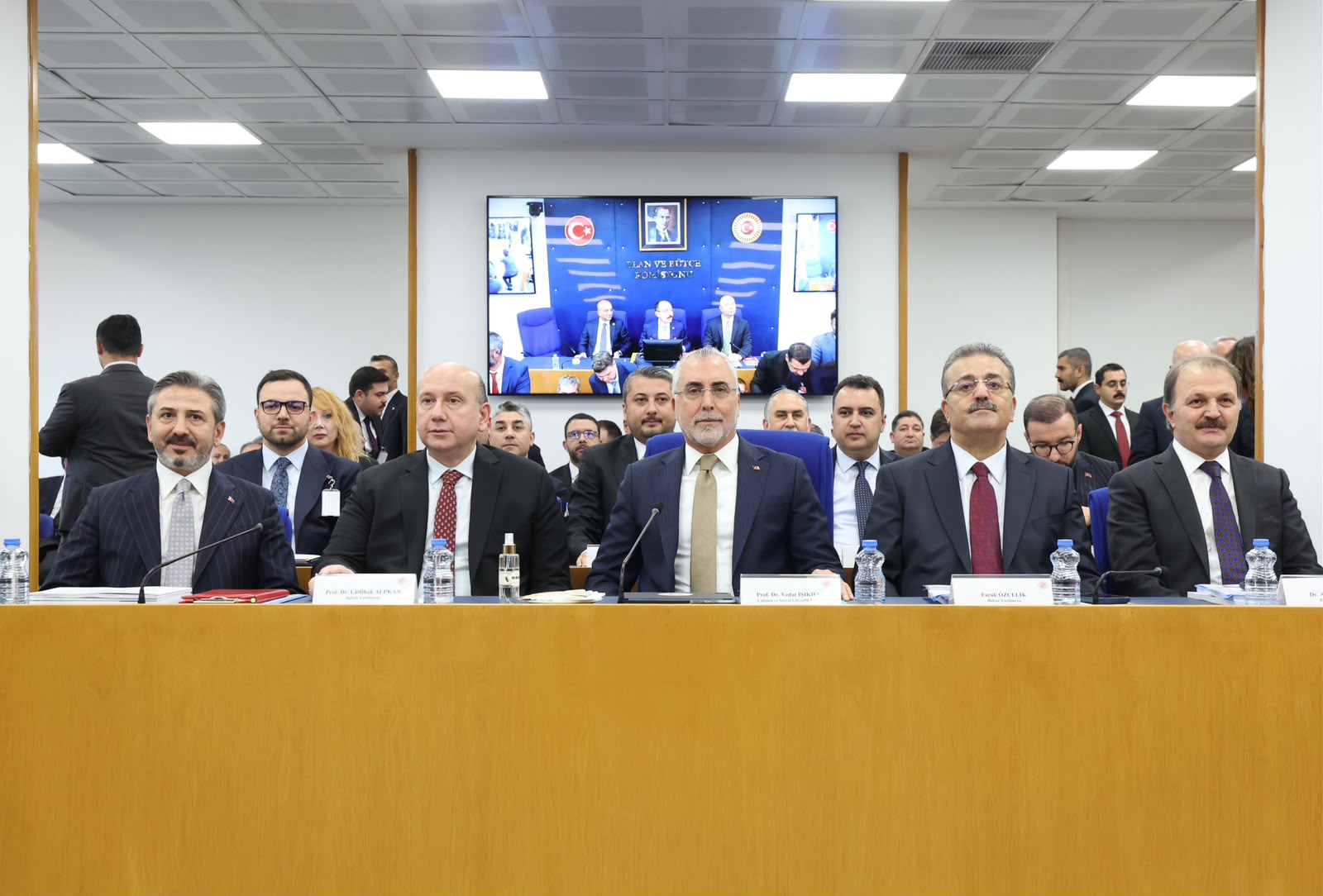
Minister of Labour and Social Security, Prof. Dr. Vedat Işıkhan delivered a presentation to the Planning and Budget Committee of the Grand National Assembly of Türkiye (TBMM) regarding the 2027 budgets for the Ministry of Labour and Social Security and its affiliated institutions.
At the beginning of his address, Minister Işıkhan expressed his condolences for the passing of Serpil Bahçeli—sister of Nationalist Movement Party (MHP) Leader Devlet Bahçeli—offering prayers for her soul and extending his sympathies to her family and loved ones. He also offered prayers for the soul of Infantry Specialist Sergeant Oğuz Şahin, who became martyr in Çaldıran, Van.
Noting that they are marking the 24th anniversary of the AK Party government—which came to power on November 3, 2002, with the support of the nation under the leadership of President Recep Tayyip Erdoğan—Işıkhan stated: "The past 24 years have been a period in which our country has witnessed major reforms and profound transformations across nearly every sector, and during which significant projects and achievements have been realized in the service of our nation. A vital component of this grand transformation is, undoubtedly, the steps we have taken in the realms of labour, employment, and social security. With your permission, I would like to share with you the activities we have undertaken—under the leadership of our esteemed President Recep Tayyip Erdoğan—to strengthen the labour market, boost employment, enhance our social security system, and improve the services we provide to our citizens, as well as our priorities for the coming period."
“We Aim to Publish the National Just Transition Strategy by the End of 2026”
Minister Işıkhan noted that the world of work is undergoing a profound transformation—ranging from digitalization and artificial intelligence to the green transition, new working models, and labour mobility—and stated: “Demographic transition is perhaps the most significant dimension of this process. The impact of an aging population on production and social security, alongside the transition of young people from education to employment, shapes the priorities of nations. As a Ministry, our goal is to turn this transformation into an opportunity for our people; to increase high-quality, secure employment, establish a fair balance between labour and production, strengthen social protection, and equip our workforce with the skills of the future. We conduct our labour policies with an approach that supports growth and production, protects workers' rights, and responds to the evolving needs of the labour market. To this end, our ‘2025–2028 National Employment Strategy’ came into effect on February 1, 2025. Furthermore, we aim to publish a ‘National Just Transition Strategy’—which will comprehensively address the impacts of the green and digital transition on the world of work—by the end of 2026.”
“A 207 Percent Real Increase in the Minimum Wage Has Been Achieved Since 2002”
Noting that social dialogue is an indispensable element of working life, Işıkhan shared the following information:
“We have brought the relevant parties together through the Tripartite Advisory Board, the 14th Labour Council, and the Public Personnel Advisory Board. The unionization rate among workers rose from 9.2 percent in 2013 to 13.8 percent in 2026, while the unionization rate among public employees increased from 47.94 percent in 2002 to 77.96 percent in 2026. While striving to maintain balance in the labour market, we also make efforts to protect the incomes of our employees. As you know, the net minimum wage for 2026 has been set at 28,075 Turkish Lira. Since 2002, there has been a 207 percent real increase in the minimum wage. The Minimum Wage Determination Commission, which includes representatives from the government, workers, and employers, will convene in December to determine the minimum wage for 2027. We increased the Minimum Wage Support to 1,270 Turkish Lira for 2026, providing 48.4 billion Turkish Lira in support to approximately 1.5 million workplaces.”
Minister Işıkhan stated that, including the gains from collective bargaining agreements, civil servants and retired civil servants will see a cumulative increase of 34.63 percent in their monthly payments by 2026. He noted, "The lowest civil servant salary rose to 70,224 Turkish Lira as of July. Furthermore, we have increased the base salaries of our civil servants by 1,000 Turkish Lira—an adjustment that will also be reflected in their retirement pensions. Under the current collective bargaining agreement for the 2026–2027 period, civil servants and retired civil servants will receive increases of 5 percent and 4 percent in 2027, along with any potential inflation adjustments. Through the Framework Protocol for Public Sector Collective Bargaining Agreements for the 2025–2026 period, we have also secured improvements in the wages and social benefits of public sector workers. In this context, we have supported the incomes of employees across various pay scales through adjustments to base wages and flat-rate increases. We will continue to prioritize the purchasing power and well-being of our employees in our wage policies, in collabouration with our social partners."
“We Have Increased the Number of Workplaces Receiving OHS Services from 166 Thousand to 793 Thousand Over the Last 3 Years”
Emphasizing that their fundamental approach to occupational health and safety (OHS) is to prevent accidents before they occur, eliminate potential risks, and instill a culture of protection and prevention across all workplaces, Işıkhan stated: “After an eight-year hiatus, we reconvened our ‘National Occupational Health and Safety Council.’ We prepared the ‘2026-2030 National Occupational Health and Safety Policy Document’ and secured its adoption by the Council. We have expanded training and certification opportunities—specifically to help our tradespeople and artisans more easily fulfill their OHS obligations—and have issued e-certificates to 284,709 employers or employer representatives. Through our efforts, we have increased the number of workplaces receiving OHS services from 166 thousand to 793 thousand in just the last three years. Furthermore, the number of employees receiving OHS services has risen from 6.4 million to 12.1 million over the same three-year period.”
Minister Işıkhan noted that effective oversight in the workplace is not merely about identifying violations, but rather about preventing them from happening in the first place and safeguarding the physical and mental well-being of employees. He continued as follows:
“Thanks to our guidance-based approach, approximately 90 percent of the non-compliance issues identified are rectified during the inspection process itself. By October 2026, we had conducted 76,362 inspection visits across 11,039 workplaces, reaching approximately 1.2 million employees. Through these efforts, we ensured the payment of approximately 890 million Turkish liras in outstanding labour-related claims to workers, while also securing the transfer of approximately 338 million Turkish liras to the public sector in the form of taxes and social security premiums. In 190 workplaces where life-threatening risks were identified, we ordered a suspension of operations. Following the local elections, investigations into municipalities and their subsidiaries—concerning issues such as anti-union discrimination, unfair dismissal, and workplace bullying—resulted in the payment of approximately 1 billion Turkish liras in labour-related claims. We also imposed administrative fines totaling approximately 110 million Turkish liras. We continue to enhance our inspection capacity by recruiting assistant labour inspectors. Globally, the prevailing philosophy regarding guidance and inspection is centered on risk assessment and the promotion of awareness. Thanks to the exceptional dedication of our inspectors, our workplace audits are carried out successfully at a rate well above the global average.”
Stating that they provide services to citizens living abroad through 62 specialized units across 33 countries, Işıkhan said, “We have digitized our processes to strengthen the social security rights of our approximately 9 million citizens and improve their access to services. To date, we have signed social security agreements with 37 countries, labour agreements with 13 countries, and cooperation agreements with 52 countries—all of which have significant Turkish expatriate populations. In 2026, we hosted the OECD Skills Summit in Istanbul, graced by the presence of our esteemed President, Recep Tayyip Erdoğan. We also aim to hold the second meeting of the ministers responsible for labour, employment, and social protection from the Organization of Turkic States in Ankara in November 2026. Through these engagements, we share our experiences regarding professional skills, social protection, and the transformation of the world of work with our partners. We will continue to safeguard the rights of our workers and foster cooperation within international platforms.”
“Unemployment Rate in Türkiye Has Remained in Single Digits for 41 Months”
Minister Işıkhan stated that the core of their employment policies is to ensure more citizens participate in production and working life, adding: “In line with the goals of the Medium-Term Program and the National Employment Strategy, we aim to increase employment, reduce unemployment, and enhance the quality of our workforce. According to data from September 2026, our labour force stands at 35.4 million, with 32.4 million employed, 2.9 million unemployed, and an unemployment rate of 8.4 percent. Our unemployment rate has remained in single digits for 41 months. The youth unemployment rate for the 15–24 age group is 14.8 percent, while the proportion of those not in education, employment, or training (NEET) reached 22.2 percent in the second quarter of 2026. We aim to create approximately 2.1 million additional jobs over the next three years. Through İŞKUR (Turkish Employment Agency), we facilitated the placement of 1,075,474 individuals into the private sector in 2026. Since 2002, we have helped 6 million women, 600,000 citizens with disabilities, and approximately 5.9 million young people find employment. Through Vocational Training Courses and On-the-Job Training Programs, we have enabled millions of our citizens to acquire professional skills. We provide support of 65,000 Turkish Lira per insured employee to employers who create additional jobs. Furthermore—and this is significant—the assets of the Unemployment Insurance Fund have surpassed 900 billion Turkish Lira.” He also said: “We have increased the daily allowance for high school graduates participating in On-the-Job Training Programs by 30 percent”.
“We Are Introducing the Option to Increase Stipends by Up to 50% in Active Labour Market Programs”
Explaining that they are introducing the option to increase stipends by up to 50% for participants in active labour market programs—specifically those focused on digital transformation, the green transition, artificial intelligence, the professions of the future, or cases where vocational high school graduates work in their own fields of study—Işıkhan stated, “I hope this regulation, which will take effect starting in 2027, proves to be beneficial and successful. To boost women’s participation in the workforce, we have facilitated the placement of over 2.7 million women into jobs through our ‘Work Positive’ (İş Pozitif) program. With our ‘A Woman’s Touch in Every Profession’ project, we encourage women to pursue diverse career paths. Since 2024, 720,224 of our citizens have benefited from the Labour Force Adaptation Program, with women accounting for 80% of the participants. We have developed the ‘Barrier-Free İŞKUR Platform’ for our citizens with disabilities, making it easier for them to establish their own businesses. Through ‘Supported Employment Projects,’ we provide wage subsidies for groups requiring special policy considerations, particularly individuals with autism or Down syndrome. More than 5,000 of our citizens are currently benefiting from ‘Barrier-Free’ Labour Force Adaptation Programs. For the 2026–2027 academic year, we have allocated a quota of 80,000 positions under the ‘Public Benefit Programs’ (TYP) to help improve cleanliness and hygiene standards in our schools. Furthermore, we have set aside an additional 31,000 TYP positions across 81 provinces to support supervision and order within school grounds and at school entrances and exits. Thus, both...” “It both addresses specific needs for public services and provides temporary employment opportunities for our citizens who are looking for work,” he stated.
“We Have Allocated a Total of 472.3 Billion Lira to the ‘Youth’s Era of Production’ (GÜÇ) Programme”
Emphasizing that their primary objective for young people is to facilitate their transition from education to professional life and to ensure they gain their first work experience, Minister Işıkhan continued as follows:
“For this reason, we have allocated a total of 472.3 billion Turkish liras to the ‘Youth’s Era of Production’ (GÜÇ) Program, through which we aim to reach more than 3 million young people over three years. Under the leadership of our esteemed President Recep Tayyip Erdoğan, we have brought together five distinct initiatives—ranging from vocational training and internships to programs for young people who are neither in education nor in employment (NEET)—under the umbrella of the GÜÇ program. The first initiative is the ‘National Internship Program,’ which was transferred to the Turkish Employment Agency (İŞKUR) as of 2026. Through these internships, we aim to introduce our youth to the professional world at an early stage. In this context, we have already provided internship opportunities to 144,000 students across the public and private sectors, with a goal of creating internship capacity for 800,000 students over the next three years. The second initiative is a specialized labour force program designed for young people who are neither in education nor in employment (NEET). To date, 61,616 NEET youths have benefited from our Labour Force Adaptation Programs, and we aim to integrate another 450,000 young people into education or employment over the next three years. The third initiative is the ‘İŞKUR Youth Program,’ which strengthens the work ethic and discipline of students at state universities while enhancing their professional skills. Through this program, we have provided placements for a total of 250,000 students over two academic years, with the goal of reaching 1 million students by the end of 2028. The fourth initiative is the ‘My Future in a Profession’ (Geleceğim Meslekte) Program, which supports students from vocational high schools and vocational colleges in their transition to the workforce and guides them toward careers in their respective fields. To date, 191,145 [individuals]…” We have provided individual counseling services to our students, and we aim to reach 750,000 students over the course of three years. The fifth and final initiative is the 'First Step into Employment Program,' developed in collabouration with the private sector. Through this program, we will facilitate the entry of young people aged 18–25—who will be entering the workforce and becoming insured for the first time—into their initial professional experience, providing support for both their wages and social security premiums."
“We Have Provided 15.5 Billion Lira in Support to Date Under the Employment Protection Support Programme”
Noting that they prioritize preserving existing employment to ensure the continuity of production, Işıkhan stated: “Under the ‘Employment Protection Support Program’—which we launched for our manufacturing sector—we have provided 15.5 billion lira in support to date. We have enacted a regulation to extend this program until the end of 2028, and we anticipate allocating a total of 187.5 billion lira for the 2026–2028 period. We have also earmarked approximately 6 billion lira to support employment within the tourism sector. As we prepare for the future, we are also taking into account the workforce requirements of strategic sectors, such as our defense industry. We have established specific partnerships with the Presidency of Defense Industries, as well as with companies like ASELSAN, ROKETSAN, and TUSAŞ. Most recently, through the ‘KOVAN’ program—led by HAVELSAN—we aim to provide training and employment opportunities for 500 young university graduates, aged 18–30, in the initial phase. Furthermore, through regional career fairs held across 12 provinces, we have connected 351,753 young people with the business world. In doing so, we aim to reduce wasted time for our citizens while facilitating the matching of the right individuals with the right jobs in the labour market.”
“The Number of Active Insured Individuals Has Increased by 115% Since 2002, Reaching Approximately 26 Million”
Minister Işıkhan noted that they implement international labour policies with the goals of attracting highly qualified human capital to Türkiye, addressing labour shortages in essential professions, and supporting the registered employment of foreign nationals in the country. He stated, “We approach this complementary role of the international workforce with a strategy that prioritizes the employment of the domestic workforce. Through our Vocational Qualifications Authority, we have established 965 national occupational standards and 701 national qualifications across 27 sectors to date. We have increased the number of professions that require a vocational qualification certificate to 244. The primary objective of our social security policy is to ensure that our citizens have access to social protection throughout every stage of their lives, while simultaneously strengthening the financial sustainability of the system. With this vision, we are expanding the scope of our services, enhancing service quality, and utilizing our resources efficiently. The ratio of Social Security Institution (SGK) revenues to expenditures—which stood at 71.5% in 2002—is projected to reach 88% by the end of 2026. Furthermore, the ratio of the SGK deficit to the national income, which was 2.2% (0.022) in 2002, is expected to be 1.2% (0.012) by the end of 2026. We continue to strengthen the financial balance of the system. Through the premium incentives, support programs, and reductions we have implemented, we have provided [support] to approximately 2 million workplaces—covering 13 million insured individuals—between the beginning of 2023 and August 2026.” "We have provided 1 trillion 302 billion liras in support. The number of active insured individuals has increased by 115 percent compared to 2002, reaching approximately 26 million. Meanwhile, the rate of informal employment, which stood at 52 percent in 2002, has fallen to 24.4 percent according to 2026 data," he stated.
“We Are Establishing Financial Opportunities to Improve the Situation of Our Retirees”
Stating that administrative fines totaling 3.5 billion Turkish liras were imposed in 2026 on workplaces found to be employing unregistered workers, Işıkhan said, “We conduct risk-focused inspections and investigations, and carry out inquiries into workplace accidents and occupational diseases. We have migrated approximately 88 percent of our inspection activities to the ‘e-Report’ system. By extending this practice to other reporting processes, we aim to safeguard institutional resources, accelerate procedures, and enhance transparency in our inspections. We are taking the necessary steps to improve the income of our retirees. We have increased the lowest pension—which stood at 16,881 Turkish liras in the second half of 2025—to 20,000 Turkish liras as of January 2026, and to 23,552 Turkish liras as of July 2026. Since 2018, we have paid out a total of 483.4 billion Turkish liras in holiday bonuses. As our esteemed President indicated following the most recent cabinet meeting, we are creating financial opportunities to further improve the situation of our retirees. We are fully aware of the economic conditions our retirees face, and we remain firmly committed to our efforts to raise their standard of living”.
“We Are Focusing on an Approach Based on Justice and Fairness That Takes Into Account Income Disparities Among Our Retirees”
In this context, Minister Işıkhan stated that they are working on a plan—intended to take effect from January 2027—that incorporates additional improvements on top of existing statutory adjustments. He noted, “Under the directive of our esteemed President, we are focusing on an approach that accounts for income disparities among our retirees, is rooted in justice and fairness, and aims to enhance their purchasing power and living standards. We are continuing our efforts in coordination with Vice President Cevdet Yılmaz, Minister of Treasury and Finance Mehmet Şimşek, and the public institutions represented on the Economic Coordination Council. Once our work is concluded, we will share the details with you and the public, and submit them for the consideration of our august Parliament. We continue to support ‘family-friendly’ initiatives that strengthen our family structure and help harmonize professional life with family life. For working mothers, we have extended maternity leave by eight weeks, bringing the total to 24 weeks. We have also improved the provisions for the relatives of martyrs, veterans, those disabled in the line of duty or in war, and their beneficiaries. We have increased the additional payment provided to individuals who are disabled to the extent that they require the assistance of others by 25 percent. Furthermore, we have improved the monthly stipends and social benefits for individuals injured in the fight against terrorism—who were previously unable to access certain rights due to legislative technicalities—as well as for the veterans of the July 15 [2016] events. Additionally, we have raised the age limit to 55 for enlisted personnel and non-commissioned officers, disabled in the line of duty, to request a re-examination of their status.” "We are conscious of our responsibility toward those of our children who have made sacrifices for our nation, as well as their families," he stated.
“We Continuously Update Our Reimbursement Lists Based on Scientific Criteria and Identified Needs”
Emphasizing that the healthcare coverage provided to citizens is one of the most tangible indicators of a social state, Işıkhan stated the following:
“Under the General Health Insurance scheme, the state covers the premiums for citizens who are unable to pay them due to their income status. The security provided to our citizens through General Health Insurance extends beyond mere access to hospitals; it also encompasses access to medications, medical devices, supplies, and specialized nutritional products used in treatment. For this reason, we continuously update our reimbursement lists based on scientific criteria and identified needs. We remain committed to strengthening access to medicines and treatments. While the number of reimbursed medications stood at 3,986 in the early 2000s, today we provide coverage for 8,845 medications. In 2026 alone, we added 253 more medications to our coverage, 29 of which are used in cancer treatment. Thanks to five different immunotherapy drugs included in the reimbursement scope in 2025, approximately 41,000 of our cancer patients have gained access to treatment over the past year. We have also added a second medication for the treatment of SMA to our reimbursement list. Furthermore, we cover the costs of continuous glucose monitoring devices for children under the age of 18 living with Type 1 diabetes. In this regard, we have made payments totaling nearly 1.8 billion Turkish Lira across approximately 155,000 prescriptions. We have expanded access to new treatment options for conditions such as prostate cancer, heart failure, chronic kidney disease, and rare diseases.” “We have implemented a 20 percent increase in the reimbursement amounts for various products, including wheelchairs, hearing aids, and medical devices and supplies used in the treatment of diabetes.”
“We Will Implement a New and Comprehensive Digital Transformation System to Make Life Easier for Our Citizens Regarding Social Security and Healthcare Services”
Minister Işıkhan announced a 30 percent increase in payments for specialized nutritional products required for celiac disease and certain metabolic disorders. He stated, “Our regulatory adjustments concerning medical devices and supplies—such as adult diapers, sleep apnea equipment, and respiratory devices, which directly impact daily life—reflect our commitment to prioritizing quality of life alongside medical treatment. We are expanding the range of medications that family physicians can prescribe and are working to prevent waste by promoting the rational use of medicines. Furthermore, we are developing incentive mechanisms to ensure that every level of the healthcare delivery system is utilized appropriately. Through the MEDULA platform, we provide online services to thousands of hospitals, pharmacies, and healthcare providers, making Social Security Institution (SGK) services more accessible to our citizens. I am pleased to announce a new, comprehensive digital transformation initiative designed to simplify the lives of our citizens in the realms of social security and healthcare. With this system, which we aim to launch early next year, citizens will be able to complete their social security and healthcare-related procedures much faster and more easily. By streamlining the management of medical reports and recurring prescriptions, we will reduce unnecessary hospital visits, thereby easing the burden on our citizens, as well as on our hospitals and physicians. The system will feature a holistic structure that encompasses preventive healthcare, anticipates the needs of our citizens, provides guidance, and directs them toward the appropriate healthcare services. We are continuing our work on this system—which we believe will serve as an international model for digital transformation—with the utmost dedication.” “We will present it to our esteemed President shortly and then share it with the public,” he stated.
Stating that they are meticulously managing premium collection and debt administration to safeguard the revenues of the social security system, Işıkhan said, “For deferral arrangements made up until August 31, 2026, the interest rate applied to deferred amounts has been set at 29 percent instead of 39 percent. Within this framework, 325 billion Turkish Lira in Social Security Institution (SGK) premium receivables have been structured into installments. As we make our social security system more inclusive, accessible, and robust, we will continue to guarantee our citizens' rights to healthcare and social protection within a sustainable financial framework.”
Minister Işıkhan shared the following information regarding the 2027 budget proposals for the Ministry of Labour and Social Security, as well as its affiliated and related institutions:
“The total budget proposal for our Ministry for the year 2027 is 2 trillion 395 billion 824 million 844 thousand Turkish Lira. A budget of 7 billion 512 million 634 thousand Turkish Lira has been proposed to cover the expenditures of the Ministry’s central and overseas organizations. Within our budget, it is projected that a total of 2 trillion 388 billion 312 million 210 thousand Turkish Lira will be allocated in 2027: 2 trillion 266 billion 365 million 277 thousand Turkish Lira to the Social Security Institution, and 121 billion 946 million 933 thousand Turkish Lira to the Turkish Employment Agency. Regarding the Vocational Qualifications Authority—an institution affiliated with our Ministry and included within the central government budget—the budget consists of 388 million 658 thousand Turkish Lira in expenditures, 441 million 767 thousand Turkish Lira in revenues, and 3 million Turkish Lira in net financing. As evidenced by the 2025 final accounts, we have utilized the budget allocated to our Ministry by adhering to principles of austerity and the public interest, ensuring that no expenditures exceeded the authorized appropriations. Audits conducted by the Court of Accounts have concluded that our 2025 financial reports and statements provide accurate and reliable information in all material respects. The 2025 Court of Accounts audit reports concerning our Ministry and its affiliated and related institutions identified a total of 6 findings, 3 of which were related to accounting processes. We are closely monitoring the issues identified during these audits. Our goal of a ‘Türkiye free from terrorism’—within our country...” “We believe that, alongside unity and brotherhood, this will also strengthen opportunities for work, production, and investment. I wish to state that we will utilize our 2027 budget with that same sense of responsibility. I would like to thank, in advance, the esteemed members of parliament who will take the floor during our deliberations and contribute their vision through their constructive criticisms and assessments.”
Stating that a strong organization working with great dedication lies behind all these shared efforts and achievements, Işıkhan said, "I take great pride in sharing the same sense of responsibility with every single member of the large family—comprising approximately 45,000 individuals—that makes up our Ministry and its affiliated institutions, and in serving our country and nation alongside them. I would like to take this opportunity to express my heartfelt thanks to all my colleagues, who serve at every level of our Ministry, for their hard work and devoted efforts."
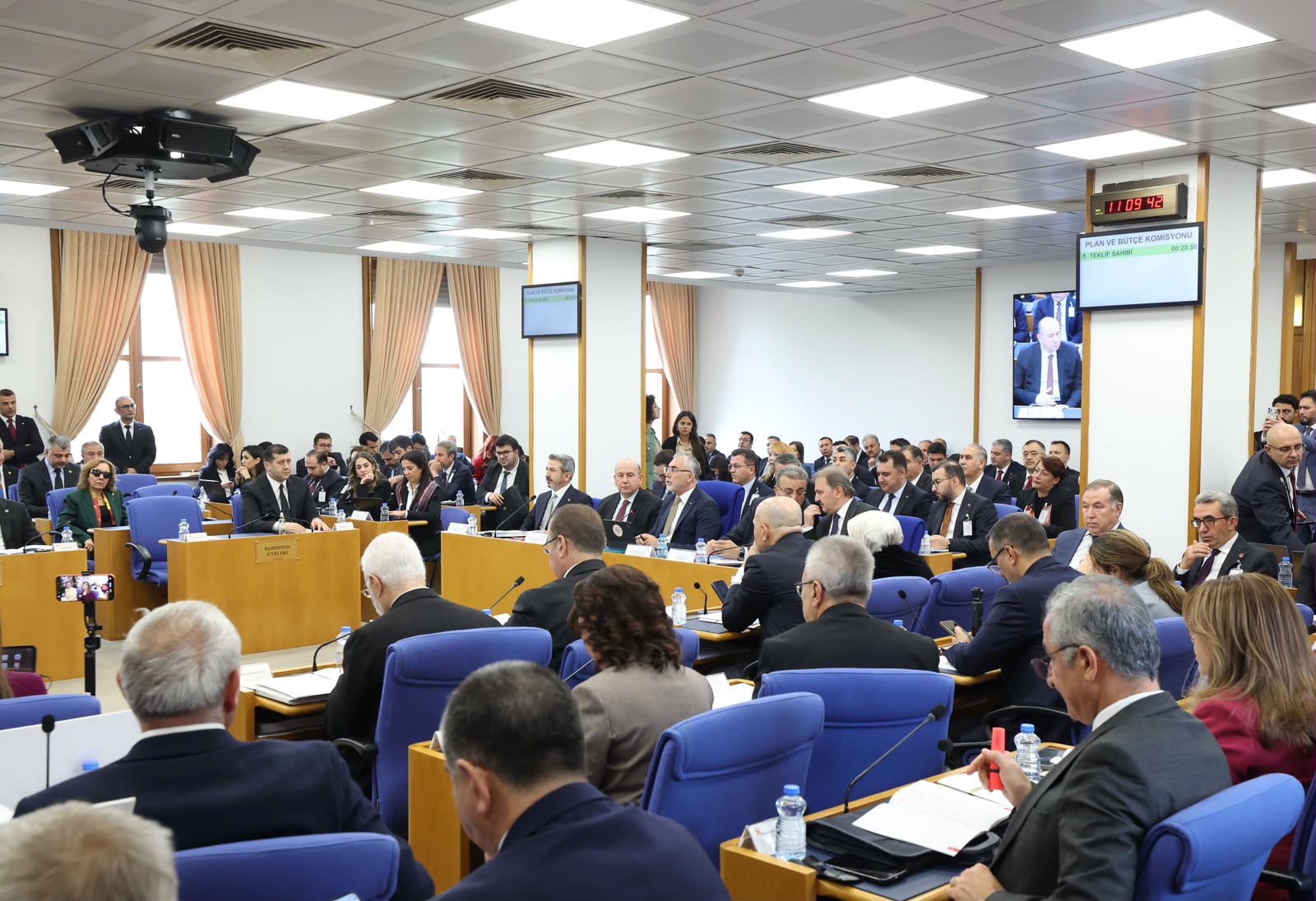
Following this, Minister Işıkhan responded to questions from members of parliament during a session of the Grand National Assembly of Türkiye (TBMM) Planning and Budget Committee, where the 2027 budgets for the Ministry of Labour and Social Security and its affiliated institutions were being discussed.
Thanking the members of parliament for their insights on improving working life, employment, and social security, Işıkhan stated that their constructive criticism, proposed visions, and ideas would be taken into account in shaping the Ministry’s policies.
In response to a question, Minister Işıkhan noted that an inspection regarding the unpaid wages of workers at the İmbat Mining facility in the Soma district of Manisa is currently underway, and that they aim to conclude this process as soon as possible.
When asked about the current status of the construction of the İŞKUR (Turkish Employment Agency) provincial directorate building in Osmaniye, Işıkhan explained that the project is included in the investment program, with a target for completion by 2027. Emphasizing that internships are among the most vital links between the labour market and young people, Işıkhan stated, "Through the National Internship Program, we have provided internship opportunities to 144,000 students. Under the 'Professions of the Future' initiative—part of the GÜÇ Program—we offer one-on-one counseling to over 192,000 final-year students from vocational high schools and vocational colleges. In doing so, we support their transition from education to the professional world, ensuring they do not fall into the 'NEET' (Not in Education, Employment, or Training) trap."
“We are Supporting Youth Education and Career Planning through Consultant Information System (DABİS)”
Işıkhan stated that they support the education and career planning of young people through the Consultant Information System (DABİS).
Explaining that, via DABİS, they compare vocational high school programs, various departments within the same university, and the same department across different universities—using indicators such as "time taken for graduates to find employment, job continuity, salary distribution, entrepreneurial tendencies, and the sectors in which they are most frequently employed"—Işıkhan noted the following:
"By integrating DABİS into the İŞKUR Mobile and e-Branch applications, we have made it accessible to students, graduates, parents, and all citizens. Through our İŞKUR campus offices at universities, we provide job and career counseling services to university students before they graduate, helping them develop their career plans. In our 'job clubs,' we help students enhance their job-seeking skills, gain a better understanding of the labour market, and prepare for professional life."
Minister Işıkhan further stated that, through initiatives carried out in cooperation with the Ministry of National Education’s General Directorate of Vocational and Technical Education, they support the employment of young people in the specific fields for which they received vocational training. He added, "For young people who participate in on-the-job training programs within their field of study, we currently provide a 30% increase to their daily stipends—and we are now raising this rate to 50%."
Stating that they have brought approximately 350,000 young people together with employers and relevant stakeholders through the "GÜÇ" (Strength) Regional Career Fairs—organized this year in 12 provinces in collabouration with İŞKUR (Turkish Employment Agency) and various universities—Işıkhan noted that they plan to hold these fairs in 10 additional provinces.
"80 Percent of Participants in the Labour Force Adaptation Program Are Women"
In response to questions regarding women's employment, Işıkhan said, "According to TurkStat (TÜİK) data, between the September periods of 2025 and 2026, the labour force participation rate for women increased by 13.9 percentage points—rising from 21.3% to 35.2%—while the female employment rate rose by 11.8 percentage points, from 19.4% to 31.2%. The female labour force grew from 5.3 million to 12 million, and the number of employed women increased from 4.8 million to 10.6 million."
Noting that the female unemployment rate stood at 11.3% as of September 2026, Işıkhan added, "Through İŞKUR, we launched the 'Job Positive' (İş Pozitif) Program in 2024 to boost women's employment. To date, we have supported the entry of more than 2.7 million women into formal, registered employment." Minister Işıkhan pointed out that more than 10 million citizens have benefited from İŞKUR’s Active Labour Force and On-the-Job Training programs, stating, "Over the last two years, 82 percent of those benefiting from the Public Benefit Program (TYP) and approximately 80 percent of participants in the Labour Force Adaptation Program have been women. Furthermore, under the 'Partial Work Allowance'—which supports a return to professional life following childbirth—more than 49,000 individuals have received a total of 367.5 million Turkish liras since 2016."
Minister Işıkhan emphasized that, in addition to increasing women's participation in the labour force, they are continuing their efforts to strengthen women's access to high-quality, formal, and sustainable employment.
Addressing questions regarding workplace accidents and occupational diseases, Işıkhan provided the following information:
"Our Ministry’s Department of Guidance and Inspection conducts labour inspections with the objectives of protecting workers' rights, improving occupational health and safety conditions, ensuring long-term compliance with legislation in the workplace, and strengthening industrial peace. In this context, we prioritize a guidance- and awareness-oriented approach—one that focuses not merely on identifying non-compliance with regulations, but also on ensuring that such issues are rectified during the inspection process and that a sustainable culture of compliance is established within workplaces.
In 2026, a total of 11,039 inspections were carried out: 4,179 concerning the conduct of work, and 6,860 concerning occupational health and safety. We ordered the suspension of operations at 190 workplaces due to the identification of life-threatening hazards. During this period, administrative fines totaling approximately 800 million Turkish Lira were imposed on 3,274 workplaces. Furthermore, workers were paid approximately 890 million Turkish Lira in individual claims, and 338 million Turkish Lira in public receivables were collected."
Stating that the goal is to reach a total of 18,000 inspected workplaces by the end of the year, Işıkhan continued as follows:
"In 2026 alone, inspections were conducted at 665 mining sites across 61 provinces. Of these, 147 are underground mining operations, while 518 are surface mining operations. As a result of these inspections, administrative fines totaling 129 million Turkish Lira were imposed. Operations were ordered to be halted at 7 underground mining sites and 36 surface mining sites. Compared to the previous year, we increased the number of inspections by over 4,000 in 2026, which also led to an increase in the number of workers reached. However, it must be emphasized that preventing workplace accidents and occupational diseases cannot be achieved through inspections alone. We must not forget that reaching our desired goals requires the 'three-legged stool'—the state, employers, and workers—to enhance their level of awareness and culture, while fostering a collective will to make decisions and take action together."
"We Continue Our Consultations to Ensure Registered Employment for Domestic Workers"
Stressing the importance placed on improving the rights and working conditions of domestic workers, Işıkhan stated the following:
"We first evaluated the challenges faced by domestic workers—and potential solutions—in May 2024, engaging in social dialogue with representatives from the trade unions and the confederation to which they are affiliated. During a consultation meeting held on May 27, 2025, we addressed key issues including social security, informal employment, unionization, and occupational health and safety. In January 2026, we participated in a panel and workshop for domestic workers in Antalya, allowing us to engage directly with the concerns of this workforce. As part of our concrete efforts to improve the training infrastructure for domestic work, we signed a protocol on training, research, and cooperation between ÇAŞGEM (Center for Labour and Social Security Training and Research) and HAK-İŞ on March 11, 2026. Furthermore, we are streamlining the process of registering domestic workers through the 'Annex-9' (EK-9) social security scheme and the 'Simplified Employer' (Kolay İşverenlik) practice. We continue to consult with social partners to ensure that domestic workers are employed formally and under decent working conditions."
Recalling that a study on the "Impacts of the Twin Transition [Green and Digital Transition] on the Labour Market" was conducted in 2024 through İŞKUR (Turkish Employment Agency), Minister Işıkhan stated the following:
"In our research, we found that 14.1% of employers are currently undergoing a 'twin transition'—a simultaneous shift toward both digital and green operations—while 34% are implementing digital transformation initiatives and 28% are adopting green transformation practices. Furthermore, 85% of employers anticipate implementing green and digital transformation initiatives within the next five years. We intend to conduct this research on a regular basis. Our findings indicate that this transformation is giving rise to new professional roles, such as sustainability specialists, data scientists, ecologists, researchers, coordinators, data designers, and content designers. To address these emerging needs, we have provided training in sustainability and sustainability reporting to 300 of our job and vocational counselors. Through these specialized counselors, we will offer tailored consulting services to help employers identify the specific skills and human resource requirements stemming from their green transition. Additionally, by leveraging our vocational training courses and on-the-job training programs, we will support businesses in developing the sustainability expertise they need from within their own organizations."
Touching upon the impact of artificial intelligence on professions, Işıkhan stated, "To more concretely assess the effects of this transformation on our country's labour market, we have completed a study on 'Artificial Intelligence Exposure in the Labour Market.' In this study, we analyzed the extent to which various professions are exposed to automation—driven by artificial intelligence and robotics—by examining the specific tasks and skill requirements involved. Given the continuous transformation and dynamic nature of the labour market, we conduct these analyses on a regular basis."
"We Have Never Allowed Anyone to Deprive Our Workers of Even a Single Penny of What Is Rightfully Theirs"
Addressing questions regarding whether the Unemployment Insurance Fund has any connection to liquidated funds, Işıkhan noted the following:
"The Unemployment Insurance Fund has no connection whatsoever to liquidated funds. The Unemployment Insurance Fund is managed in accordance with the provisions of the Regulation on Public Treasury Management. Accordingly, the fund's resources are invested in government debt securities—as explicitly specified in the regulation—as well as in public deposit banks, public participation banks, and through Takasbank. It is neither legally nor technically possible to invest the fund's resources in any instruments other than those specified, nor can they be used for speculative transactions. The authorization for the Unemployment Insurance Fund to conduct transactions via Takasbank was granted through a regulatory amendment on January 19, 2022; following this date, the fund began engaging in lending activities through Takasbank. On each business day, the interest rates available via Takasbank are compared against standard deposit interest rates. If the rates offered through Takasbank are more favorable, the lending transaction is executed. Furthermore, all banking operations for the Unemployment Insurance Fund are handled by Halkbank, while our brokerage firm for transactions conducted through Takasbank is Halk Yatırım. Due to the operational structure of Takasbank, buyers and sellers remain anonymous to one another. Every transaction is backed by the guarantee of Takasbank. Consequently, our counterparty for these transactions is Takasbank, which functions as a public institution."
Minister Işıkhan pointed out that the Unemployment Insurance Fund is audited at regular intervals by both the Court of Accounts and independent audit firms, stating, "The results of these audits—including detailed tables of financial transactions and information on how resources are utilized—are regularly shared with the public. A review of these published financial statements and reports clearly shows that the Unemployment Insurance Fund has no dealings with the fund management companies in question. I would like to emphasize this: the Unemployment Insurance Fund represents the sweat and hard work of our labourers; it is their rightful due. We have never allowed—and will never allow—anyone to misappropriate even a single penny belonging to our workers and labourers."
Following Minister Işıkhan’s remarks, a vote was held within the Commission, resulting in the approval of the budget, final accounts, and Court of Accounts reports for the Ministry of Labour and Social Security and the Vocational Qualifications Authority (MYK), as well as the Court of Accounts reports for the Social Security Institution (SGK) and the Turkish Employment Agency (İŞKUR).